

Call us now
08045802970

 Send Inquiry
Crosslinking Resin
Price 220.0 INR/ Kilograms
MOQ : 25 Kilograms
Crosslinking Resin Specification
- Type
- Other
- CAS No
- 68605-62-3
- EINECS No
- 271-877-7
- Grade
- Industrial Grade
- Purity(%)
- 99%
- Application
- For Polyacrylamide Gels
- Color
- Yellow
- Form
- Liquid
- Shelf Life
- 12 months
- pH Range
- 7.0 - 9.0
- Solubility
- Soluble in water
- Storage
- Store in a cool, dry place
- Viscosity
- 75-150 cps (at 25C)
Crosslinking Resin Trade Information
- Minimum Order Quantity
- 25 Kilograms
- Payment Terms
- Cash in Advance (CID), Cash Advance (CA)
- Supply Ability
- 25 Kilograms Per Day
- Delivery Time
- 2-3 Days
- Packaging Details
- Poly Bag
- Main Export Market(s)
- Australia, North America, Eastern Europe, Western Europe, Central America, Middle East, South America, Asia, Africa
- Main Domestic Market
- All India
About Crosslinking Resin
Crosslinking Resin
Properties
| Chemical Classification | POP Formaldehyde Resin (Resole) |
| Type | Heat Reactive/Vulcanising/Curing Resin |
| Physical Form | Broken Lumps |
| Colour | Pale Yellow |
| Melting Point (B & R) | 70 C 90 C |
| Methylol Content (B & R) | 8-11 % |
| Moisture Content | 0.5% max |
Properties & Usage:POLYTONE AP 113A is a heat reactive alkyl phenolic resin formulated for use cross linking of butyl rubber mainly used in the tyre industry. Mainly used in the tyre industry for curing of butyl rubber, also used in adhesives based on butyl rubber.
Applications: Tyre/Tire Building, Conveyer Belting, Rubber Hose Manufacture, Rubber Lining, Rubber Adhesives and many more
Solubility: POLYTONE AP 113A is soluble in aromatic solvents including toluene, benzene, ketones and chlorinated hydrocarbon.
Packaging: Available in 25 Kg bags
Shelf Life: Store under cool dry conditions. It is recommended that the material be used within 12 months from the date of manufacture
Optimized for Polyacrylamide Gel Applications
This crosslinking resin is specifically formulated for enhanced performance in polyacrylamide gels, delivering superior stability and efficient crosslinking. Its industrial-grade purity ensures consistent results across various laboratory and industrial settings. The water-soluble nature makes the application process straightforward and convenient, supporting diverse research and manufacturing requirements.
Storage and Handling for Longevity
Ensuring the resin maintains its functional properties is crucial. The product should be stored in a cool, dry location, away from direct sunlight or heat sources, to maximize its 12-month shelf life. Proper storage preserves the liquids integrity, viscosity, and reactivity, guaranteeing reliability in each use.
FAQs of Crosslinking Resin:
Q: How should the crosslinking resin be stored to maximize shelf life?
A: To achieve the full 12-month shelf life, the resin should be stored in its drum packaging in a cool, dry place, away from heat and direct sunlight. This helps maintain its viscosity and effectiveness for polyacrylamide gel applications.Q: What is the recommended pH range for using this resin in gel formulations?
A: The crosslinking resin performs optimally within a pH range of 7.0 to 9.0. Operating within this range enhances its solubility and crosslinking efficiency in polyacrylamide gel production.Q: Where can this crosslinking resin be sourced in India?
A: This product is available through established distributors, manufacturers, and suppliers across India. It is packaged in drums and delivered adhering to industrial standards for quality and purity.Q: What are the main benefits of using this resin for polyacrylamide gels?
A: Using this resin offers high purity (99%), uniform crosslinking, and stable gel formation. Its water solubility simplifies processing and enables consistent results in analytical and preparative gel applications.Q: How is the resin typically applied in polyacrylamide gel preparation?
A: The liquid resin is dissolved in water and mixed into the gel formulation under controlled conditions, ensuring proper viscosity (75-150 cps at 25C) and molecular weight parameters for optimal crosslinking performance.Q: When should the resin be replaced or disposed of?
A: Replacement is necessary if the resin has surpassed its 12-month shelf life, or if there are noticeable changes in color, viscosity, or solubility, indicating degraded quality.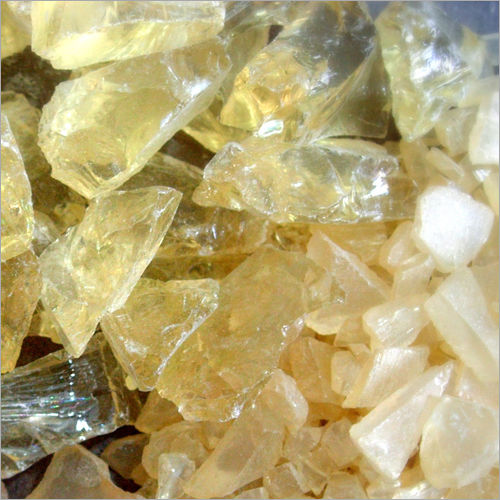
Tell us about your requirement

Price:
Quantity
Select Unit
- 50
- 100
- 200
- 250
- 500
- 1000+
Additional detail
Mobile number
Email

More Products in Butyl Curing Resin Category
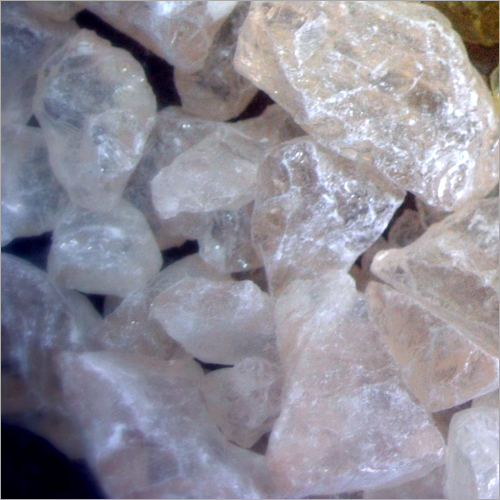
Para Octyl Phenol Resin
Price 230 INR / Kilograms
Minimum Order Quantity : 25 Kilograms
Grade : Industrial Grade
Type : Other
Application : POLYTONE AP
Color : White
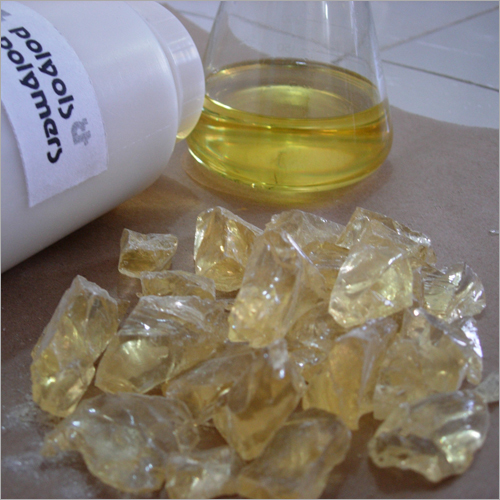
Vulcanizing Resin
Price 145 INR / Kilograms
Minimum Order Quantity : 25 Kilograms
Grade : Industrial Grade
Type : Other, Resin
Application : For Rubber Use
Color : White

GST : 24AAICP7783N1ZM

C-1/58-59, G.I.D.C., Shed Area, GIDC, Vapi - 396195, Gujarat, India
Phone :08045802970

 Send Inquiry
 Send Inquiry
 Send SMS
POLYOLS & POLYMERS PVT. LTD.
All Rights Reserved.(Terms of Use)
Developed and Managed by Infocom Network Private Limited.
Developed and Managed by Infocom Network Private Limited.

